Solar Panel Cleaning After a Tropical Storm in South Florida
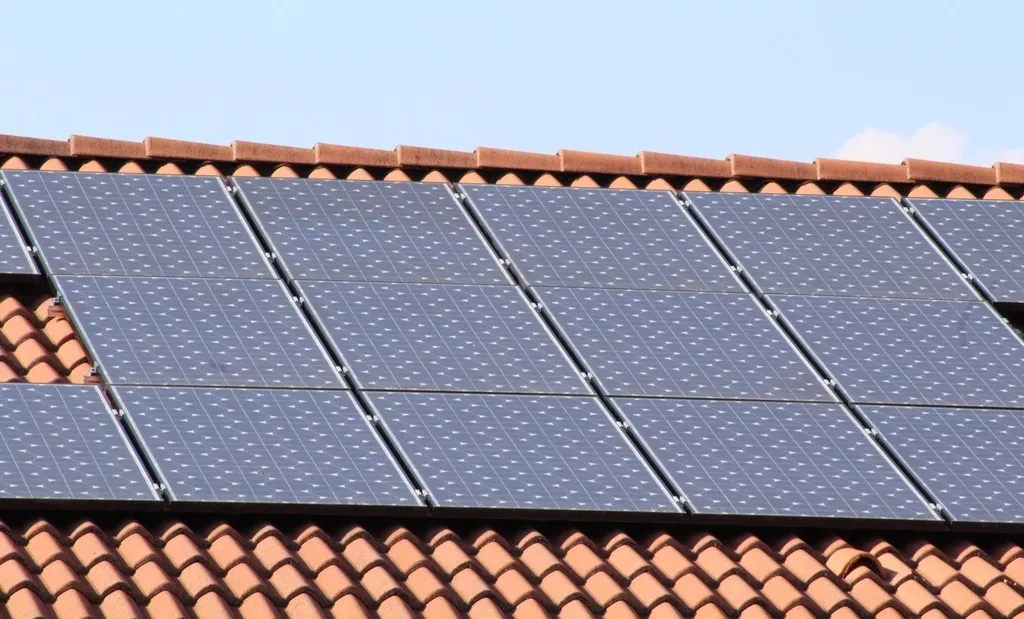
After a tropical storm, stay off the roof and check your solar panels from the ground and in your monitoring app first. A storm leaves fronds, sand, salt and grit on the glass and pushes debris into the gap under the array. Once the roads are clear, a solar panel cleaning with a photographed visual inspection gets the glass clean and gives you a dated record of how the array came through.
When is hurricane season in South Florida?
The Atlantic hurricane season runs from June 1 to November 30. According to the National Hurricane Center, its peak is September 10, with most activity between mid-August and mid-October. For Broward and southern Palm Beach County, that means October is still very much storm season. A single system passing offshore can put a season’s worth of debris on a roof in a night.
What does a storm leave on solar panels?
More than the rain washes away. Here is what we find after a blow:
- Fronds and branches. Palm fronds and small limbs land on the array or wedge against the frame. Inland neighborhoods in Coral Springs and Parkland, with mature landscaping close to the roofline, collect the most.
- Salt film. Wind off the ocean and the Intracoastal carries spray well past the beach. Homes in Lighthouse Point, Deerfield Beach and the Fort Lauderdale neighborhoods on the water, such as Las Olas Isles and Coral Ridge, often have a visible haze on the glass after a storm.
- Sand and grit. Wind-blown sand and roof grit settle into a gritty layer that the next shower only moves around.
- Debris under the array. Leaves, seed pods and fragments get driven into the space between the panels and the roof, where they stay damp and break down.
Rain that follows a storm doesn’t clean any of this off. We explain why in does Florida rain clean solar panels.
What can you check yourself after the storm?
From the ground and your phone, not a ladder.
- Stay clear of hazards. FPL’s advice after a storm is to stay far away from downed power lines and flooded or debris-covered areas that may hide them. Report them to 911 or FPL. Don’t go out to look in the dark.
- Look at the array from the yard. Check that the panels sit evenly, with no corner lifted or out of line. Look for anything lying on the glass and anything poking out from underneath. Binoculars help on a two-story roof.
- Read your monitoring app. Compare a clear day after the storm with a clear day before it, and note any panel or string that reads lower than the rest. Write the numbers down; they are useful to whoever looks at the system next.
- Leave the roof alone. Wet tile is slick, and a pressure washer can force water past the panel seals.
When should you book a cleaning and inspection?
Once the storm has passed, power is back and the roads are clear. Our visual inspection is a photographed check of every panel for cracks, chips, staining and debris, plus the space underneath. It also covers anything visibly loose or displaced, and a review of your monitoring app with you. We don’t fix hardware: anything that looks cracked or shifted goes into the photo report for your solar company or your insurer.
A residential cleaning uses deionized water and soft brushes, with no pressure. It takes off the salt, grit and storm film without touching the anti-reflective coating.
Why the November visit matters
Hurricane season ends November 30, and that is when the second visit of the year makes the most sense. The storms are done, the dry season is starting, and the panels can go into the clearest months clean. The maintenance plan books that November visit and the May one for you. The South Florida soiling calendar shows what lands on the glass the rest of the year.
If a storm has just come through and you’d like a clean array and a record of how it held up, get a free quote or call (954) 872-1622.
Gold Coast Solar, Fort Lauderdale. Owner-operated solar panel cleaning across Broward and southern Palm Beach County.
Last reviewed:
Related services
Related pages
Need your solar panels cleaned?
Free quotes from Gold Coast Solar, Fort Lauderdale. Call or send the form.